Fungal Nail Infection: Causes, Signs, and When to Get Treatment
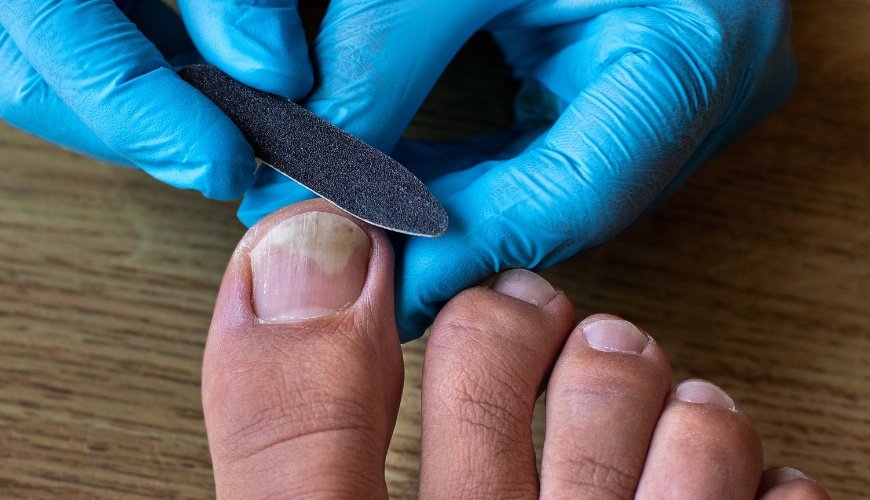
A fungal nail infection happens when fungal organisms, usually the same group that causes athlete’s foot, get into the nail and start breaking down the keratin it is made from. The nail reacts by thickening, changing colour and eventually becoming brittle or crumbly.
Toenails are affected far more often than fingernails because feet spend so much time in warm, enclosed shoes. The infection usually starts at the tip or side of the nail and works back towards the base if it is left untreated. If you have noticed changes in a toenail, our
fungal nail treatment in Mullingar starts with an assessment of the affected nails.
What Causes a Fungal Nail Infection?
Fungal nail infections develop when fungi enter the nail through small breaks in the nail or the skin around it. Fungi need warmth, moisture and a surface to grow on, which is why feet are so vulnerable.
Common causes include repeated knocks or pressure on the nail, damp or tight footwear, sweaty feet, walking barefoot in communal areas and cutting nails incorrectly. Once the fungus is in the nail, it can be difficult to manage without professional care.
When the Risk Is Higher
Swimming pools, communal showers, gym changing rooms and holiday facilities all hold fungal spores, and bare feet are common in all of them. Warm, slightly damp conditions inside shoes then give the fungus an ideal place to take hold, which is why many people notice changes after summer.
People who have had athlete’s foot, a fungal skin infection, are also at higher risk, because the fungus can spread from the surrounding skin into the nail.
Early Signs of a Fungal Nail Infection
Early signs are easy to miss because they can look like minor bruising or marks from tight shoes. The most common signs are:
• Yellow, white or brown discolouration, usually starting at the tip or edge of the nail
• Thickening of the nail, making it harder to cut or rougher to touch
• A brittle, flaky or crumbly nail edge
• The nail starting to lift away from the nail bed
• Debris building up under the nail
• A faint musty smell from the affected nail
Not every discoloured nail is a fungal infection. Bruising, psoriasis and other conditions can look similar, so a professional assessment is the most reliable way to find out what is going on.
How Fungal Nail Infections Progress Over Time
Without treatment, fungal nail infections usually get worse. Nails can become steadily thicker, more crumbly or misshapen, and may lift away from the nail bed.
As the nail changes, discomfort often follows, particularly when wearing closed shoes or walking for long periods.
How Fungal Nail Infections Spread
An infection can spread from one nail to others on the same foot, and to people who share the same home, towels or footwear. The spores are hardy and can survive on surfaces for a long time.
Shared towels, shared shoes and walking barefoot where an infected person has walked are the most common routes, which is why dealing with an infection early matters for the whole household.
Why Over-the-Counter Treatments Often Fall Short
Pharmacy lacquers and nail patches can help in very mild, early infections, but they struggle to get through the nail to the fungus underneath. In moderate or long-standing infections, many people use them for months without much change while the infection carries on underneath.
If a nail is still changing after a few weeks of home treatment, it is worth having it assessed.
Can You Still Wear Sandals with a Fungal Nail?
In the early stages, when only a small area at the tip of the nail is affected, wearing sandals is not usually a problem. Keep the nail clean and dry, and if you are using a communal pool or changing room, covering it with a waterproof plaster is sensible.
If the nail has become very thick, crumbly or has lifted from the nail bed, getting it treated should be the priority, both for your comfort and to stop it spreading.
What Professional Fungal Nail Treatment Involves
At Harbour Foot Clinic, treatment starts with an assessment of the affected nails to look at their appearance, texture and how far the infection has spread.
Treatment usually involves carefully reducing the thickness of the infected nail with professional instruments. Removing the damaged nail material makes the nail more comfortable and helps any topical treatment reach where it is needed. You will also get clear advice on home care, hygiene and footwear to help stop it coming back, and we may suggest a product to use between appointments.
How Long Does Treatment Take?
Fungal nail infections take time, because nails grow slowly. The affected part of the nail has to grow out and be replaced by healthy nail, which can take several months depending on how much of the nail is affected and how fast your nails grow.
Most people start to see visible improvement within two to three months of regular treatment. Follow-up appointments let us keep the nail managed, check progress and adjust the approach if needed.
How to Reduce the Risk of Fungal Nail Infections
A few simple habits make a real difference:
• Wear flip-flops or pool shoes in communal showers, changing rooms and around pools
• Dry your feet thoroughly after swimming or showering, especially between the toes
• Change socks daily and choose breathable materials
• Keep toenails trimmed to a sensible length with smooth edges
• Treat athlete’s foot promptly
• Don’t share towels, socks or shoes
If you notice a toenail changing, don’t wait to see if it clears up on its own. Early treatment gives better results than waiting.