Do I Need Professional Foot Care or Can I Treat It at Home?
Foot problems are extremely common, yet many people delay seeking professional foot care. Whether it is nail issues, hard skin, cracked heels, or general discomfort, it can be difficult to know when home treatment is enough and when professional care is needed.
Understanding the difference can help prevent minor foot problems from becoming painful, infected, or harder to manage over time. At Harbour Foot Clinic in Mullingar,
routine foot care covers nails, hard skin and cracked heels in one appointment.
Why Foot Problems Are Often Ignored
Feet are often overlooked until pain or discomfort begins to interfere with daily life. Many people assume foot issues are simply part of ageing, wearing unsuitable footwear, or being on their feet for long periods.
Others try to manage problems themselves using home remedies or over-the-counter products. While this can help with very minor issues, it may delay proper care and allow conditions to worsen.
What Foot Care Can Be Safely Done at Home?
Basic foot care at home plays an important role in maintaining healthy feet. Simple habits can help reduce the risk of common problems developing.
Home foot care includes washing and drying your feet daily, moisturising dry skin, cutting toenails straight across, wearing supportive footwear, and checking your feet regularly for changes. These steps help maintain comfort but do not replace professional assessment when problems persist.
Signs That Home Treatment May Not Be Enough
Some foot problems require professional care rather than home management. Ignoring these signs can lead to increased pain or infection.
Persistent foot pain, thickened or discoloured toenails, ingrown toenails, cracked heels that do not heal, or discomfort when walking or standing are all signs that
professional foot care may be needed.
Why Early Treatment Matters
Early professional care helps prevent minor foot issues from becoming more serious or difficult to manage. Problems such as nail changes or hard skin often worsen gradually and may cause ongoing discomfort if left untreated.
Addressing foot concerns early supports better outcomes, reduces the risk of infection, and helps maintain comfort and mobility.
The Risks of DIY Foot Treatments
Home remedies are convenient, but some common DIY fixes can make problems worse:
• Cutting corns or hard skin with sharp tools can damage healthy skin and lead to cuts or infection
• Digging out an ingrown toenail irritates the skin around it and can cause swelling, bleeding or infection
• Strong chemical treatments and medicated corn plasters can burn healthy skin if applied wrongly
• Shared or unclean tools can spread bacteria and fungal infections
DIY treatment is particularly risky if you find it hard to reach your feet, have reduced mobility, have diabetes or poor circulation, or aren’t sure what’s causing the problem.
Why DIY Fixes Often Don't Last
Home treatments usually deal with what you can see rather than what’s causing it. Removing hard skin without changing the footwear pressure behind it, for example, means it will simply build up again.
Trying home treatment for too long can also delay the right care, so something that was easy to manage can become harder to treat. If a problem hasn’t improved after a couple of weeks, it’s worth having it assessed.
How Professional Foot Care Helps
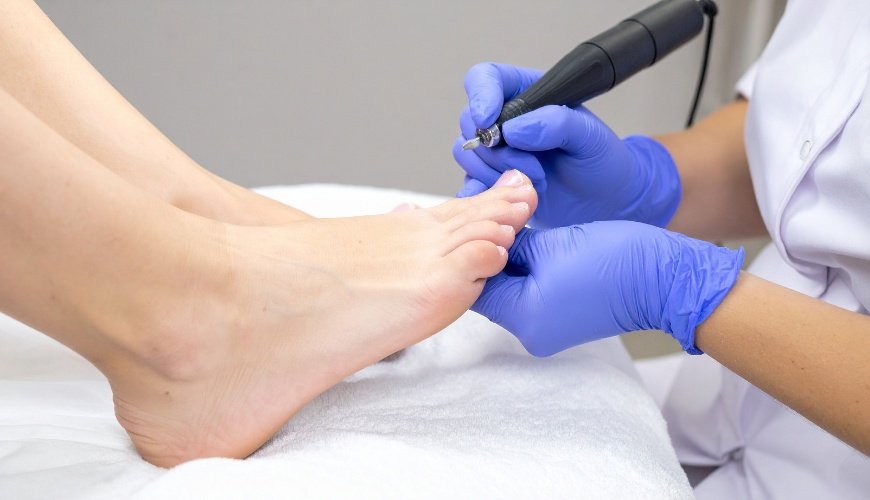
Professional foot care focuses on both treatment and prevention. Nails and skin are managed safely, discomfort is reduced, and potential issues are identified early.
Professional care also includes advice on footwear and home routines, helping maintain results between appointments and reduce the risk of future problems.
Combining Home Care With Professional Foot Care
The best approach to foot health is often a combination of good home care habits and professional treatment. Daily care helps maintain comfort, while professional appointments address problems that cannot be safely managed at home.
This balanced approach supports long-term foot health and reduces the likelihood of recurring issues.
Who Benefits Most From Professional Foot Care?
Professional foot care benefits people of all ages, but it is particularly helpful for older adults, people with reduced mobility, and anyone who experiences recurring foot problems.
Regular professional care supports comfort, confidence, and independence in daily activities.
Professional Foot Care in Mullingar, Westmeath
At Harbour Foot Clinic, professional foot care services are provided in a safe, clinical environment, focusing on comfort, prevention, and long-term foot health.
If you are unsure whether your foot problem can be treated at home, it may be time to book a professional foot care appointment for assessment and advice.