Ingrown Toenails: What Causes Them and How to Prevent Them
Ingrown toenails are a common foot problem that can cause significant discomfort if not managed early. They often start as mild tenderness around the nail edge and may gradually worsen, affecting comfort when walking or wearing footwear.
Understanding what causes ingrown toenails and how to prevent them can help reduce pain, avoid infection, and support long-term foot health.
Why Ingrown Toenails Are Common
Toenails are exposed to repeated pressure from footwear, walking, and daily activity. When nails are trimmed incorrectly or shoes apply constant pressure, the nail can be forced into the surrounding skin.
Because early symptoms may be mild, ingrown toenails are often ignored until pain increases.
What Causes an Ingrown Toenail?
Ingrown toenails usually develop due to a combination of factors rather than a single cause.
Common causes include cutting nails too short, rounding the edges when trimming, wearing tight or narrow footwear, repeated nail trauma, and naturally curved or thick nails.
Early Signs of an Ingrown Toenail
Early signs often appear along the edge of the nail and may be easy to overlook.
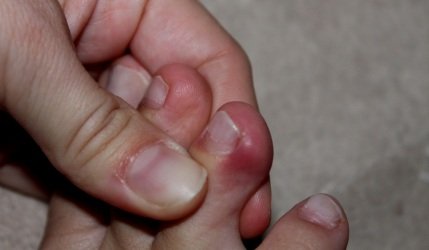
Redness, tenderness, mild swelling, discomfort when wearing shoes, or sensitivity when pressure is applied are common early indicators. Early assessment helps prevent the problem from worsening.
How Ingrown Toenails Can Worsen Over Time
Without treatment, ingrown toenails can become increasingly painful. Swelling may increase, and the surrounding skin can become inflamed.
As the condition progresses, infection may develop, making the toe sore, warm, or more difficult to manage at home.
Why Ingrown Toenails Should Not Be Ignored
Ignoring an ingrown toenail can allow discomfort and inflammation to worsen. Infection can develop if bacteria enter the affected area, leading to increased pain and delayed healing.
Early professional care helps prevent complications and supports faster recovery.
Can Ingrown Toenails Be Managed at Home?
Very mild cases may improve with proper nail trimming and footwear changes. However, attempting to cut or dig out an ingrown nail at home can worsen the problem.
Home treatment may not be suitable if pain persists, swelling increases, or signs of infection appear. Professional assessment is recommended in these cases.
When Professional Ingrown Toenail Care Is Recommended
Professional care is recommended if ingrown toenails cause ongoing pain, swelling, or difficulty wearing shoes. Recurring ingrown nails or problems managing nail care safely are also reasons to seek professional treatment.
Early intervention helps reduce discomfort and avoid more complex treatment later.
How Professional Ingrown Toenail Care Helps
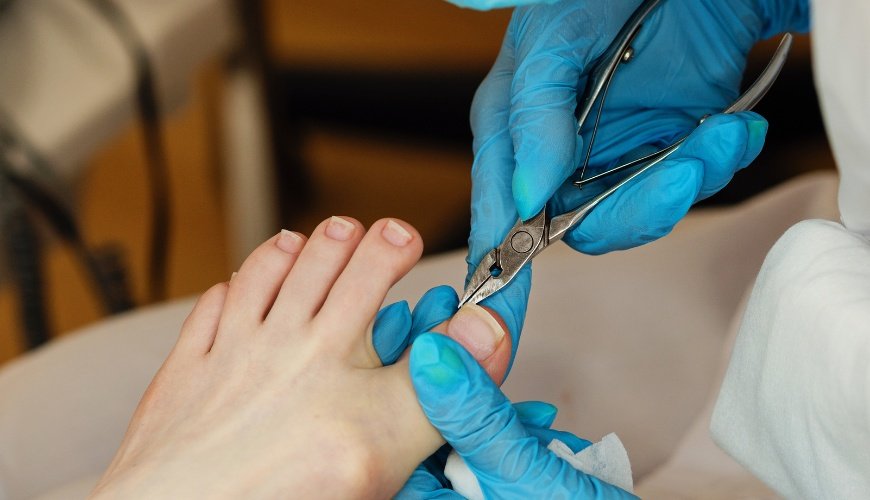
Professional treatment focuses on relieving pressure on the affected nail edge, reducing inflammation, and supporting healing.
Care is carried out safely and gently, with advice provided on nail trimming and footwear to help prevent recurrence.
Preventing Ingrown Toenails From Returning
Prevention plays an important role in reducing the risk of ingrown toenails.
Cutting nails straight across, avoiding overly tight footwear, addressing nail changes early, and attending regular professional foot care appointments all help reduce recurrence.
Ingrown Toenail Care in Westmeath and the Midlands
At Harbour Foot Clinic, ingrown toenail care is provided in a safe, clinical environment, focusing on comfort, prevention, and long-term nail health.
If you are experiencing ongoing nail pain or discomfort, professional assessment can help guide appropriate treatment.