Cracked Heels: Why They Happen and How Professional Heel Care Helps
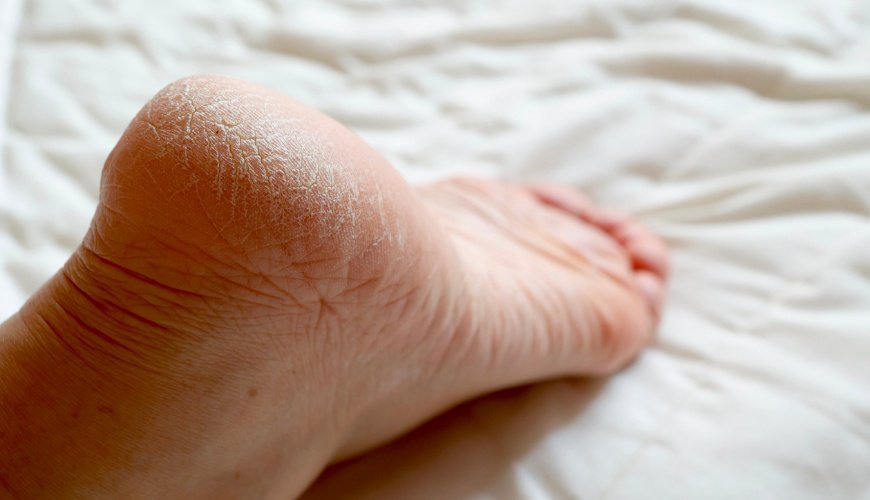
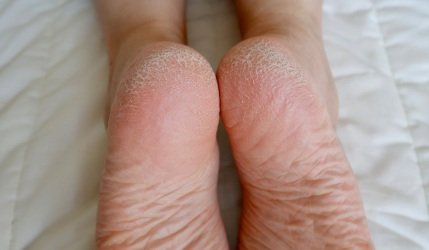
Cracked heels, also called heel fissures, happen when the skin around the rim of the heel becomes so dry and thick that it can no longer flex. When you put weight on the heel, the hardened skin is pushed outwards and splits instead of stretching.
What often starts as dry or rough skin can gradually turn into deeper cracks that hurt when you stand or walk. Understanding why they happen, and how professional heel care helps, can stop them getting worse. If your heels are already cracked or sore, our
heel care treatment in Mullingar can help.
What Causes Cracked Heels?
Cracked heels usually come from a mix of factors rather than one cause. The heels carry a lot of body weight and take repeated pressure all day, so once the skin is dry or thickened it loses its stretch and is more likely to split.
Common causes include dry skin, a build-up of hard skin, standing on hard floors for long periods, walking barefoot, open-backed sandals or flip-flops that let the heel pad spread sideways, and not moisturising the heels regularly. Circulation problems or skin conditions can also play a part for some people.
Why Cracked Heels Often Get Worse in Summer
Summer is when most people first notice the problem. Open-backed sandals and flip-flops remove the support that closed shoes give, so the heel pad spreads more with every step and the sideways pressure that causes cracking increases.
Dry heat, walking barefoot on hot or hard ground and moisturising less often all dry the heel skin further. The heels usually need more care in warmer months, not less.
Early Signs of Cracked Heels
Early signs are mild and easy to overlook. The skin around the heel may feel rough or look flaky before any cracks appear.
Thickened skin, dryness, or white or yellowish patches around the rim of the heel are early signs that professional care could stop cracks from forming.
Why Pumice Stones and Heel Creams Aren't Always Enough
Heel balms, pumice stones and foot files are useful for maintenance, but they are not designed for established cracked heels. Once the hard skin is thick and cracks have formed, surface treatment cannot remove enough of the callus underneath for the skin to heal properly.
Filing deep cracks at home can also take off healthy skin by mistake, leaving soreness or small breaks that can become infected.
Can Cracked Heels Become a Problem?
For most people, cracked heels are mainly uncomfortable. But deep cracks that bleed or stay open give bacteria a way in, which can lead to infection, particularly for anyone with reduced circulation or feeling in their feet.
Even without any underlying condition, a deep crack can make walking painful and affect everyday mobility. Dealing with cracks at the first sign of worsening is always better than waiting until they are severe.
What Professional Heel Care Involves
At Harbour Foot Clinic, heel care starts with an assessment of your skin and heels: how deep the cracks are, how thick the surrounding hard skin is and the condition of the skin around them.
The thickened skin is then carefully reduced with clinical instruments, which lets us work right up to healthy skin without damaging it. The skin underneath is treated and moisturised, and you leave with aftercare advice to keep the results going at home.
How Many Appointments Will You Need?
Most people notice a big improvement after one appointment. For moderate cracking, one treatment and a good home routine is often enough.
For severe or long-standing cracks, a follow-up appointment four to six weeks later is usually recommended. We will give you a clear idea of what to expect at the end of your first visit.
Looking After Your Heels Between Appointments
The most important thing is to moisturise every day. A good urea-based heel balm, applied to damp skin after a shower, makes a real difference to how quickly the skin improves and how long the results last.
Footwear with proper heel support helps too. If you do wear sandals, choose a pair with a heel strap and limit time barefoot on hard surfaces.
Signs You Need Professional Heel Care
Consider booking a heel care appointment if any of these apply:
• Your heels have deep, discoloured or painful cracks
• The skin around your heel feels hard and rigid rather than firm and flexible
• Your heels catch on socks or tights
• Heel creams and pumice stones have made little difference
• Your heels hurt first thing in the morning or after long periods on your feet
• A crack has bled, even slightly
Any of these suggests the cracking has gone beyond what home care can manage.
Hard Skin on Other Parts of the Foot
Hard skin is not limited to the heel. It can build up on the ball of the foot, the sides of the toes and along the outer edge of the foot, wherever pressure is concentrated, and these areas can become painful too.
A medical pedicure or routine foot care appointment at Harbour Foot Clinic deals with hard skin wherever it is on your feet, so your appointment is the right time to mention any other areas that bother you.