Are Corns and Calluses the Same Thing?
Corns and calluses are both common foot conditions caused by pressure and friction. Because they can look similar, many people assume they are the same thing.
However, while corns and calluses develop for similar reasons, they are not identical. Understanding the difference helps ensure the correct treatment and prevents unnecessary discomfort. Both can be dealt with safely as part of a
routine foot care appointment.
What Is a Callus?
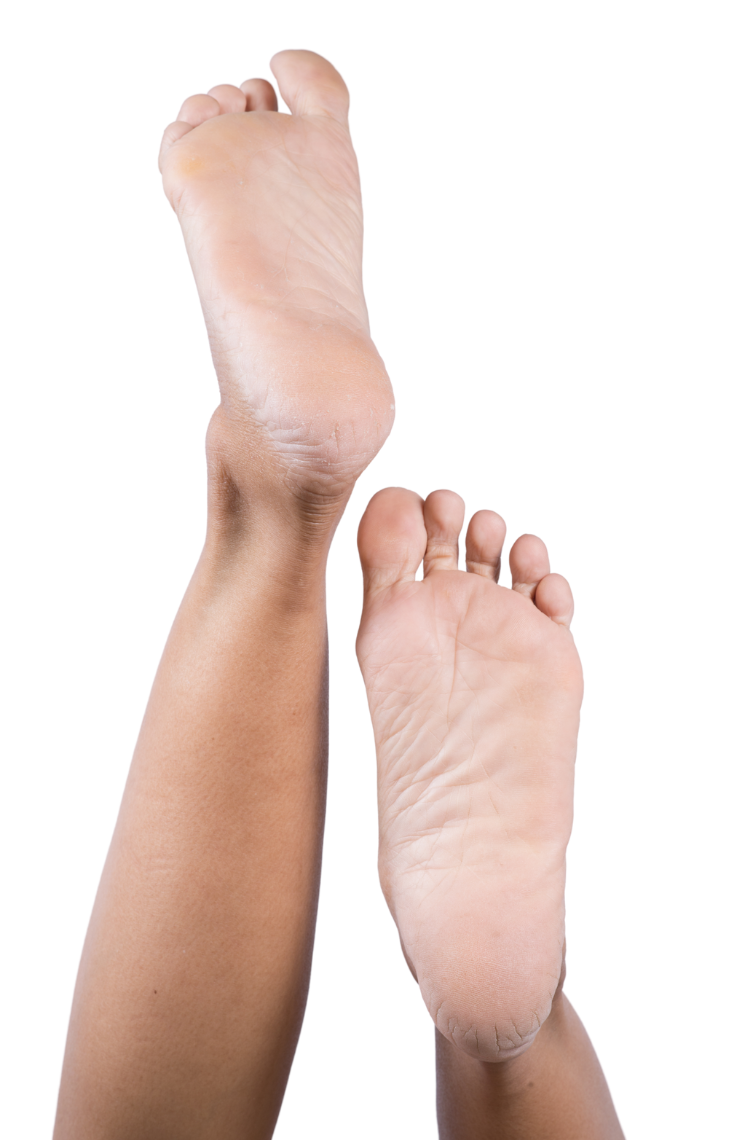
A callus is a broad, flat area of thickened skin that forms as the body’s protection against repeated pressure or friction. Calluses usually appear on the heel, the ball of the foot or along the outer edge of the foot, and can cover quite a large area.
Most calluses aren’t painful at first, but if they become very thick or dry they can crack and become sore.
What Is a Corn?
A corn is a smaller, more concentrated area of hard skin with a dense central core. That core is the key difference: when pressure is applied, it presses into the deeper tissue and causes pain.
Corns usually form on the tops of the toes, between the toes or on the ball of the foot, wherever pressure is focused on a small spot.
Key Differences Between Corns and Calluses
The main differences are size, depth and discomfort. Calluses are larger, flatter and usually less painful. Corns are smaller and deeper, and their hard core can cause sharp discomfort when you walk or wear shoes.
Both are your skin’s response to pressure, and both can get worse over time if the cause isn’t dealt with, affecting how comfortably you walk.
What Causes Corns and Calluses?
When skin is stressed repeatedly in the same place, it produces extra keratin, the protein that makes skin hard. Once this starts it tends to build on itself: harder skin concentrates more pressure, which triggers more hardening.
The most common causes are shoes that are too tight, narrow or pointed, high heels, poorly fitting sandals and walking barefoot on hard floors for long periods. Foot shape plays a part too: prominent toe joints, bunions and high arches all create pressure points where corns and calluses are more likely to form.
Why Corns Can Feel Worse in Summer
Flat, thin-soled sandals and flip-flops give very little cushioning, so every step lands directly on existing pressure points. A callus on the ball of the foot feels much worse in flat sandals than in a cushioned shoe, and a sandal strap that crosses a corn presses on it with every step.
That’s why corns and calluses that were barely noticeable in winter often become a real problem in summer.
Can Corns and Calluses Be Treated at Home?
Mild calluses may improve with regular moisturising and properly fitted footwear. Cutting or trying to remove corns at home, though, can cause injury or infection.
Medicated corn plasters contain salicylic acid, which can’t tell the corn apart from the healthy skin around it. Left on too long, or used between the toes, they can burn the surrounding skin, and they should not be used at all by anyone with diabetes, poor circulation or slow-healing skin. They also don’t remove the hard skin underneath or deal with the pressure causing it, so the corn usually returns.
Non-medicated foam cushions, such as
these MYMULIKE corn cushions, can ease pressure on a corn while you wait for treatment.
Affiliate links: as an Amazon Associate we earn from qualifying purchases.How Professional Treatment Helps
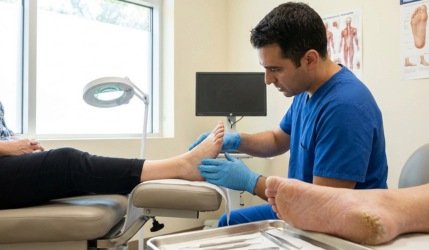
Professional foot care safely reduces thickened skin and removes the corn’s core using clinical instruments, working right down to healthy skin without damaging it. Most people notice their feet feel lighter and more comfortable straight away.
We’ll also look at where hard skin and corns are forming across your whole foot. That shows where pressure is concentrated and what changes to footwear or insoles might help stop them coming back. Corn and hard skin care is usually part of a routine foot care appointment or medical pedicure, which takes 45 minutes to an hour.
Will Corns and Calluses Come Back?
Usually yes, unless the cause is dealt with. Treatment relieves the discomfort and improves the skin, but if the same pressure and friction continue, the skin will harden again in the same places.
That’s why the aftercare advice matters as much as the treatment. Knowing what’s causing the hard skin, whether it’s a particular pair of shoes, the way you walk or the shape of your foot, gives you the best chance of keeping it away for longer.
Looking After Your Feet After Treatment
Treated skin will feel softer and smoother. Moisturising the areas that tend to harden is the most effective way to keep it that way, ideally with a urea-based foot cream applied to damp skin each day.
Avoid using a pumice stone on freshly treated skin for at least a week, and choose shoes with enough toe room and some cushioning in the sole for the following weeks.
When to Get Corns or Hard Skin Looked At
Some hard skin is normal. Consider booking an appointment if:
• A corn hurts regularly when you walk or wear shoes
• Hard skin on the heel or ball of the foot is very thick or starting to crack
• Home treatment hasn’t helped
• A corn keeps coming back after using corn plasters
• You have a condition that affects circulation or healing in your feet
• You don’t feel confident treating it yourself
If you have diabetes or a circulation condition, corns and hard skin should always be managed professionally rather than with blades or salicylic acid products at home.