Corns and Hard Skin: How to Get Sandal-Ready Feet with Professional Treatment
Corns and calluses are both forms of hardened skin, but they are different in structure, location, and how they feel. Understanding the distinction helps explain why they require slightly different approaches to treatment.
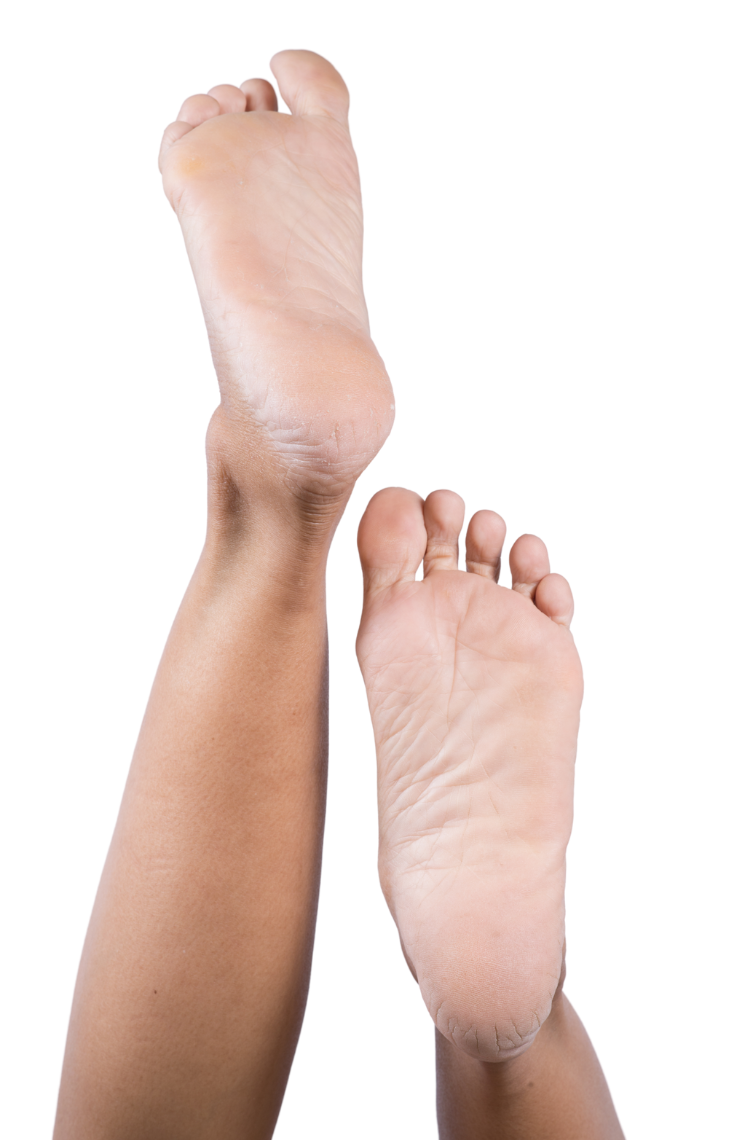
A callus is a broad area of thickened skin that forms as a protective response to repeated friction or pressure. You will typically find calluses on the heel, the ball of the foot, or the outer edge of the foot. They can be quite extensive in area and vary in depth.
Most calluses are not painful initially, but if they become very thick or dry, they can crack and become uncomfortable.
A corn is a smaller, more concentrated area of hard skin with a defined centre or core. That central core is the key difference — it is denser than the surrounding hard skin and, when pressure is applied, it presses into the deeper tissue and causes pain. Corns typically form on the tops of toes, between toes, or on the ball of the foot.
What Causes Corns and Hard Skin?
Both corns and calluses develop as the body’s natural defence mechanism against sustained pressure or friction. When the skin is repeatedly stressed in the same area, it responds by producing extra keratin — the protein that makes skin hard and durable. The problem is that once this process starts, it tends to accelerate: the harder skin becomes, the more pressure it concentrates on the surrounding tissue, which in turn triggers further hardening.
The most common causes are footwear that is too tight, too narrow, or too pointed — any style that concentrates pressure on the toes or ball of the foot. High heels, pointed-toe shoes, and poorly fitting sandals are frequent contributors. Walking barefoot on hard surfaces, particularly over long periods, promotes callus formation on the heel and ball of the foot. Foot shape also plays a role — prominent toe joints, bunions, and high arches all create pressure points where corns and calluses are more likely to form.
Why Summer Sandals Make Corns More Painful
There is a specific reason corns tend to become more noticeable and more painful in summer: the footwear changes. Flat, thin-soled sandals and flip-flops provide very little cushioning between the foot and the ground, which means every step concentrates impact directly on whatever pressure points already exist on the sole.
If there is a callus on the ball of the foot, flat summer footwear makes it feel significantly worse than enclosed shoes with any degree of cushioning or arch support. If there is a corn on the top of a toe or between the toes, a sandal strap that crosses that area will press directly on the corn with every movement.
For many people, corns and calluses that were barely noticeable in winter become a genuine problem in summer simply because the footwear gives them nowhere to hide.
Are Corn Plasters Safe to Use at Home?
Corn plasters — the medicated pads containing salicylic acid that are widely available in pharmacies — can soften the surface of a corn and provide some temporary relief from pressure. However, they carry significant risks that are not always adequately communicated on the packaging.
Salicylic acid does not distinguish between the corn and the surrounding healthy skin. Leaving a corn plaster on for too long, using one on an area where the skin is not robust, or applying one to an area between the toes can cause chemical burns to the healthy tissue surrounding the corn. For anyone with diabetes, poor circulation, or any condition that affects skin healing, corn plasters should not be used at all.
Even for people without those risk factors, corn plasters do not remove the underlying hard skin and do not address the pressure or friction that is causing the corn to form. The corn will return, often quickly, and the surrounding skin may be in a worse condition than before.
What Does Professional Corn and Hard Skin Removal Involve?
Professional corn and hard skin removal at Harbour Foot Clinic is a safe, precise, and pain-free procedure. Using clinical-grade instruments, the hard skin and the corn core are carefully removed down to the healthy tissue beneath.
The process is significantly more thorough than anything achievable at home — clinical instruments can reach the full depth of the corn or callus without any risk to the surrounding skin. Most people are surprised by the immediate sense of relief following treatment and by how much lighter and more comfortable their feet feel when they stand up and walk afterwards.
Your foot care specialist will also look at the distribution of hard skin and corns across the foot as a whole, which gives a useful picture of where pressure is being concentrated and what changes — to footwear, insoles, or walking pattern — might help prevent them from returning.
How Long Does the Appointment Take?
Corn and hard skin removal is typically carried out as part of a routine foot care appointment or a medical pedicure at Harbour Foot Clinic. The duration depends on the extent and distribution of the hard skin, but most appointments are between 45 minutes and an hour.
For patients who have multiple areas of hard skin or several corns to be addressed, a full appointment is scheduled to ensure each area is properly treated rather than rushing through it. Your foot care specialist will assess everything during the appointment and work through it systematically.
Will the Corn or Callus Come Back?
In most cases, yes — unless the underlying cause is addressed. Corn and callus removal relieves the immediate discomfort and improves the condition of the skin, but if the same pressure and friction continue, the skin will begin to harden again in the same areas.
This is why the aftercare advice given at Harbour Foot Clinic is as important as the treatment itself. Understanding what is causing the hard skin to form — whether it is a particular pair of shoes, the way you walk, or the shape of your foot — and making practical adjustments gives you the best chance of extending the time between appointments and, in some cases, reducing how frequently corns and calluses return.
What Aftercare Is Needed After Corn Removal?
Following professional corn and hard skin removal, the skin in the treated area will be noticeably softer and smoother. Keeping the feet moisturised — particularly the areas that tend to build up hard skin — is the single most effective thing you can do to maintain that result.
A urea-based foot cream applied daily to damp skin is the most effective option for most people. Avoid using a pumice stone on freshly treated skin for at least a week. Choose footwear with adequate toe room and a reasonable amount of cushioning in the sole, particularly for the weeks immediately following treatment.
When Should You See a Foot Health Professional About Hard Skin?
Some degree of hard skin on the foot is normal and does not necessarily require professional attention. You should consider booking an appointment if:
• A corn is causing regular or persistent pain when walking or wearing shoes
• Hard skin on the heel or ball of the foot has become very thick or has started to crack
• You have attempted home treatment without improvement
• You have used corn plasters repeatedly and the corn keeps coming back
• You have any health condition that affects circulation or healing in the feet
• You are not confident treating the area yourself without risk of injury
If you have diabetes or any circulatory condition, hard skin and corns should always be professionally managed — home corn treatment using blades or salicylic acid products is not recommended in these circumstances.