Verrucae on the Feet: How to Spot Them and Why Early Treatment Matters
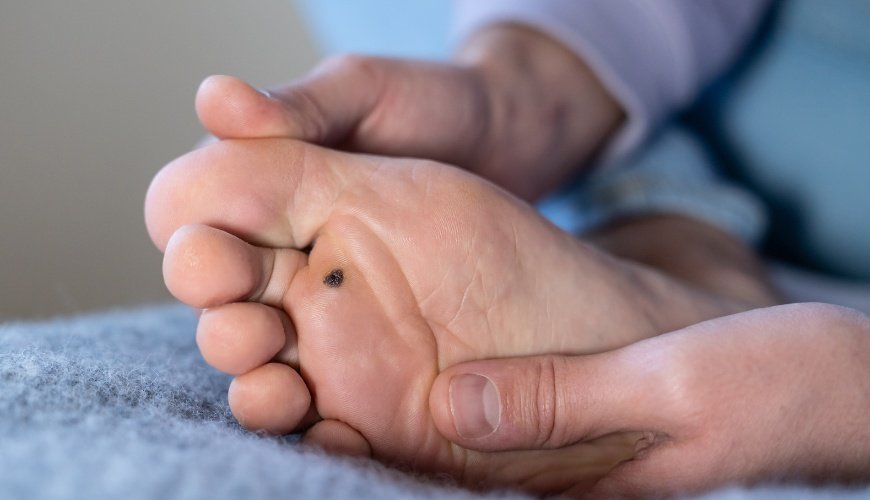
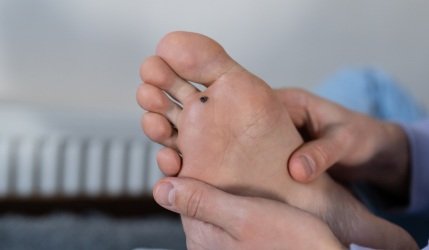
Verrucae, also known as plantar warts, are a common foot condition that can affect both children and adults. They often appear on the sole of the foot and may begin as a small area of rough skin that is easy to ignore.
Understanding how to identify verrucae early and knowing when professional treatment is recommended can help reduce discomfort and prevent the infection from spreading.
Why Verrucae Are Common
Verrucae thrive in warm, moist environments where the virus can enter the skin through small cuts or abrasions. This makes communal areas such as swimming pools and changing rooms common places for infection.
Because verrucae often develop slowly, early signs may be overlooked.
What Causes Verrucae on the Feet?
Verrucae are caused by the human papillomavirus entering the skin. The virus can spread through direct contact or contaminated surfaces.
Walking barefoot in communal areas, excessive moisture on the feet, or having small breaks in the skin can increase the risk of infection.
How to Spot a Verruca Early
Early verrucae may look like small patches of thickened skin and can be mistaken for corns or calluses.
Common signs include rough skin on the sole of the foot, small black dots within the lesion, disruption of normal skin lines, and tenderness when pressure is applied.
How Verrucae Can Affect Comfort and Mobility
Verrucae often develop on weight-bearing areas of the foot. As pressure is applied when walking or standing, discomfort may increase.
Some people describe the sensation as feeling like standing on a small stone, which can affect gait and daily activities.
Why Verrucae Should Not Be Ignored
Leaving verrucae untreated can allow the virus to spread to other areas of the foot or to other people. Over time, verrucae may become larger or more painful.
Early professional care helps limit spread and reduces the risk of ongoing discomfort.
Can Verrucae Be Managed at Home?
Some people try over-the-counter treatments or home remedies. While these may help in mild cases, they are often slow and may irritate surrounding healthy skin.
Professional assessment is recommended if a verruca does not improve or becomes painful.
When Professional Verrucae Treatment Is Recommended
Professional treatment is recommended if a verruca causes pain, spreads, or does not respond to home treatment.
Early professional care helps manage symptoms safely and supports better outcomes.
How Professional Verrucae Treatment Helps
Professional verrucae treatment focuses on managing the infection while protecting surrounding skin. Treatment is tailored to the size, location, and severity of the verruca.
Professional care also includes advice on hygiene and prevention to reduce recurrence.
Preventing Verrucae From Spreading
Preventing verrucae involves good foot hygiene and protective measures.
Wearing footwear in communal areas, keeping feet clean and dry, avoiding sharing towels or footwear, and attending regular professional foot care appointments all help reduce the risk of spread.
Verrucae Treatment in Westmeath and the Midlands
At Harbour Foot Clinic, verrucae treatment is provided in a safe, clinical environment, focusing on comfort, hygiene, and long-term management.
If you are experiencing discomfort on the sole of your foot, professional assessment can help guide appropriate care.