What Is a Medical Pedicure and Who Is It For?
The term medical pedicure is often misunderstood. Many people associate pedicures with cosmetic treatments, but a medical pedicure focuses on foot health, comfort, and professional care rather than appearance.
Understanding what a medical pedicure involves and who it is suitable for can help you decide whether it is the right option for your foot care needs.
Why Medical Pedicures Are Different
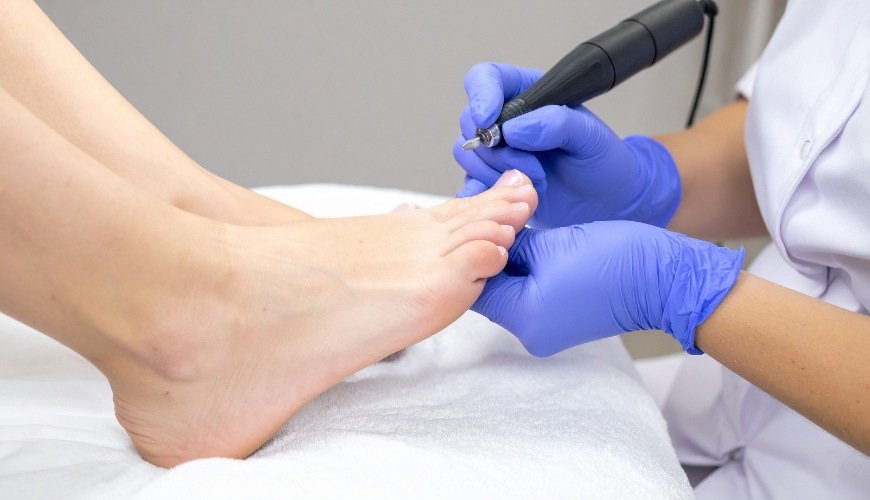
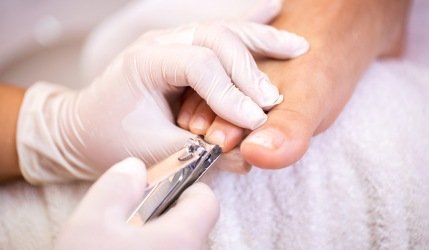
Medical pedicures are designed to support foot health rather than cosmetic appearance. They are carried out using professional techniques and hygiene standards in a clinical environment.
The focus is on maintaining healthy nails and skin while identifying and managing foot issues safely.
What Is Included in a Medical Pedicure?
Medical pedicures are designed to support foot health rather than cosmetic appearance. They are carried out using professional techniques and hygiene standards in a clinical environment.
The focus is on maintaining healthy nails and skin while identifying and managing foot issues safely.
Who Benefits From a Medical Pedicure?
A medical pedicure is suitable for a wide range of people and is not limited to those with existing foot problems.
It is particularly beneficial for older adults, people with reduced mobility, individuals with thickened nails, or anyone who finds routine foot care difficult to manage safely at home.
When a Medical Pedicure Is Recommended
A medical pedicure is often recommended when nail cutting becomes uncomfortable, hard skin causes pressure, or foot discomfort affects daily activities.
It is also suitable for people who want professional foot care delivered in a safe, clinical setting.
Medical Pedicure vs Cosmetic Pedicure
The key difference between a medical pedicure and a cosmetic pedicure is the focus of the treatment.
A cosmetic pedicure focuses on appearance, while a medical pedicure prioritises foot health, safety, and comfort. Medical pedicures are carried out by foot care professionals rather than beauty therapists.
Why Regular Foot Care Should Not Be Delayed
Delaying professional foot care can allow minor issues to worsen over time. Thickened nails, hard skin, or pressure points may gradually affect comfort and mobility.
Regular medical pedicures help manage these issues early and reduce the risk of pain or complications.
Can a Medical Pedicure Help Prevent Foot Problems?
While no treatment can prevent all foot problems, regular medical pedicures help reduce the risk of common issues such as ingrown toenails, painful hard skin, and nail discomfort.
Professional care supports early intervention and ongoing foot health.
How Medical Pedicures Support Long-Term Foot Health
Medical pedicures play an important role in maintaining foot comfort over time. Regular appointments help manage nail growth, skin condition, and changes in foot health.
Professional advice on home care and footwear also helps maintain results between visits.
How Often Should You Have a Medical Pedicure?
The frequency of medical pedicures depends on individual needs, nail growth, and skin condition. Some people benefit from regular appointments, while others attend as needed.
A foot care professional can advise on a schedule that supports comfort and long-term foot health.
Medical Pedicure Care in Westmeath and the Midlands
At Harbour Foot Clinic, medical pedicures are provided in a safe, clinical environment, focusing on comfort, prevention, and long-term foot health.
If you are unsure whether a medical pedicure is right for you, professional assessment can help guide your decision.