Back to School Feet: A Parent's Guide to Children's Foot Health
The first few weeks of a new school term are busy for everyone, and that includes your child’s feet. New shoes, PE, after-school sports and shared changing rooms all put growing feet under pressure. As the evenings draw in and the weather turns wetter, feet also spend longer in closed shoes and damp socks.
The good news is that most children’s foot problems are easy to spot early and simple to sort out. Here’s what to keep an eye on this autumn.
Why Growing Feet Need a Little Extra Attention
Children’s feet grow quickly and are still developing, so shoes that fitted perfectly in June can be tight by October. Children also tend not to mention sore feet until something really hurts, so a quick check every few weeks makes a real difference.
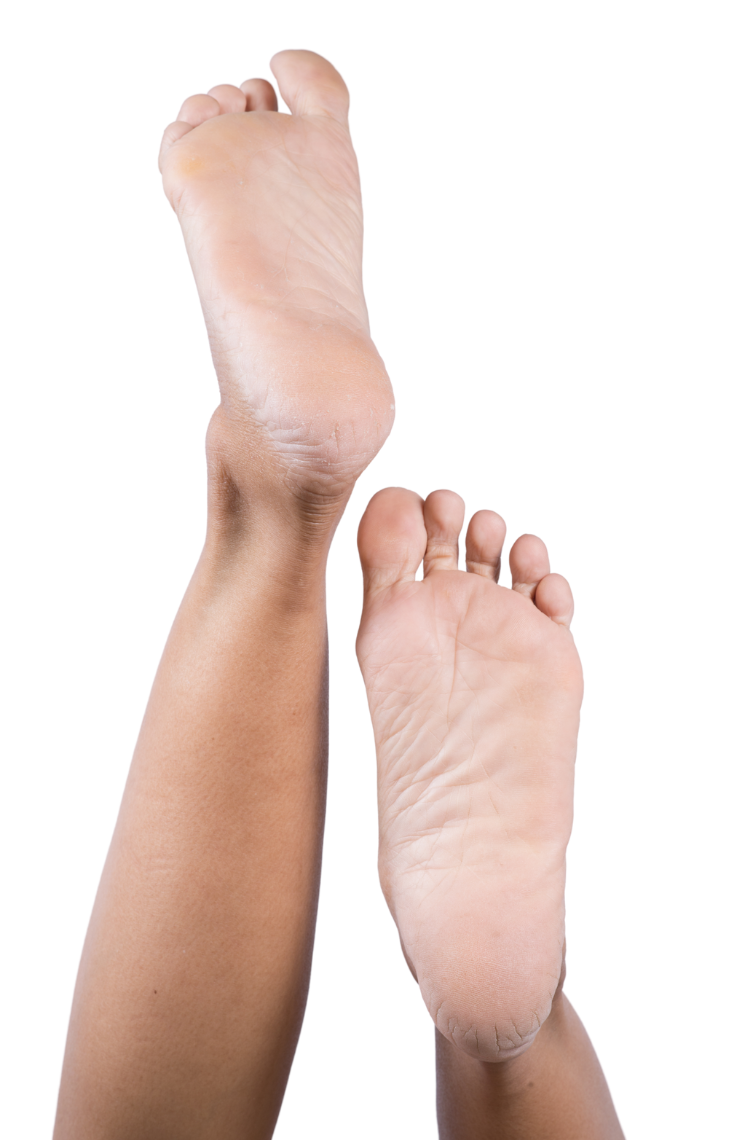
It only takes a minute: have a look at their feet after bath time, check the tops of the toes and the soles, and ask whether their shoes feel comfortable.
Getting School Shoes Right
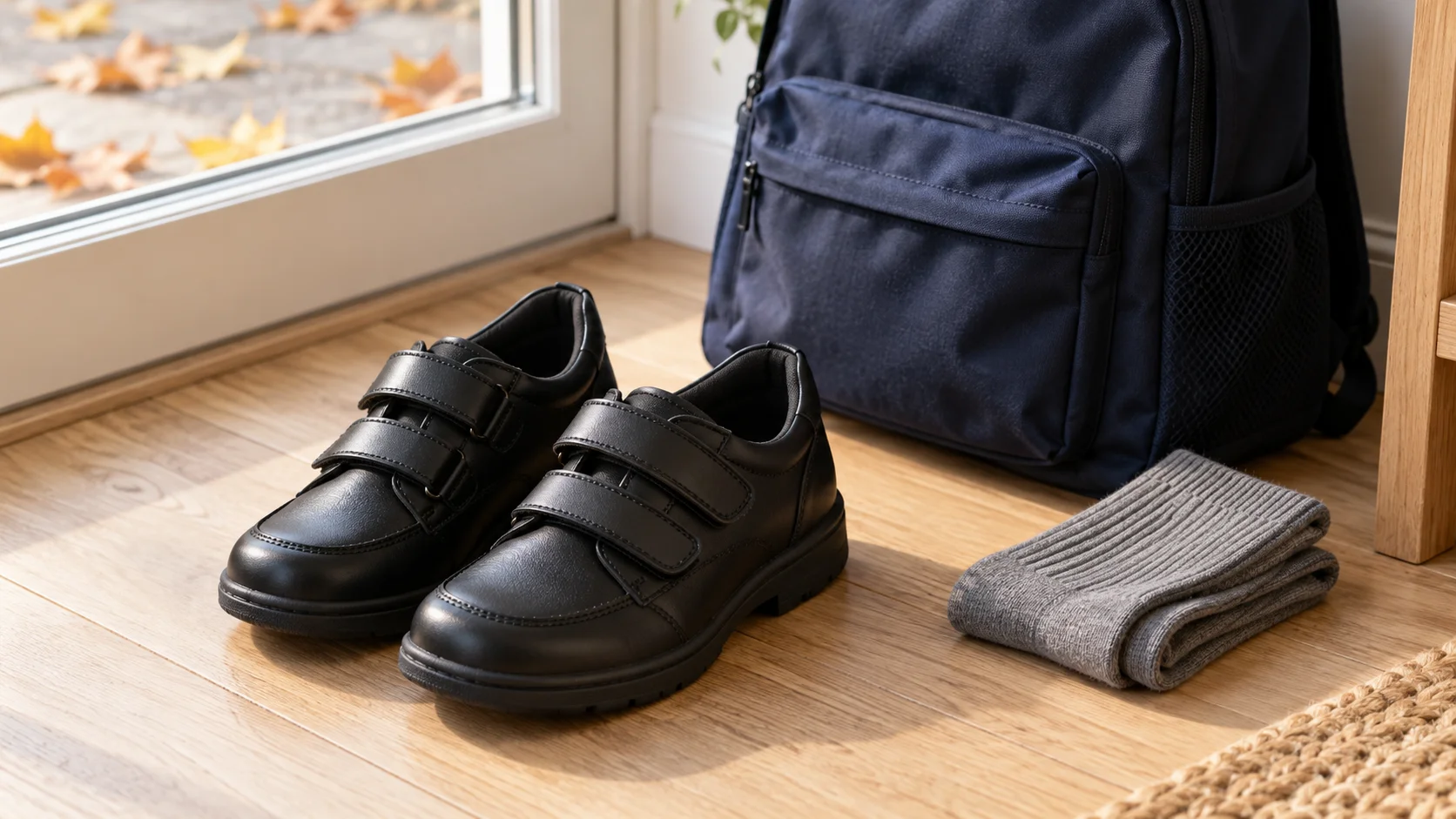
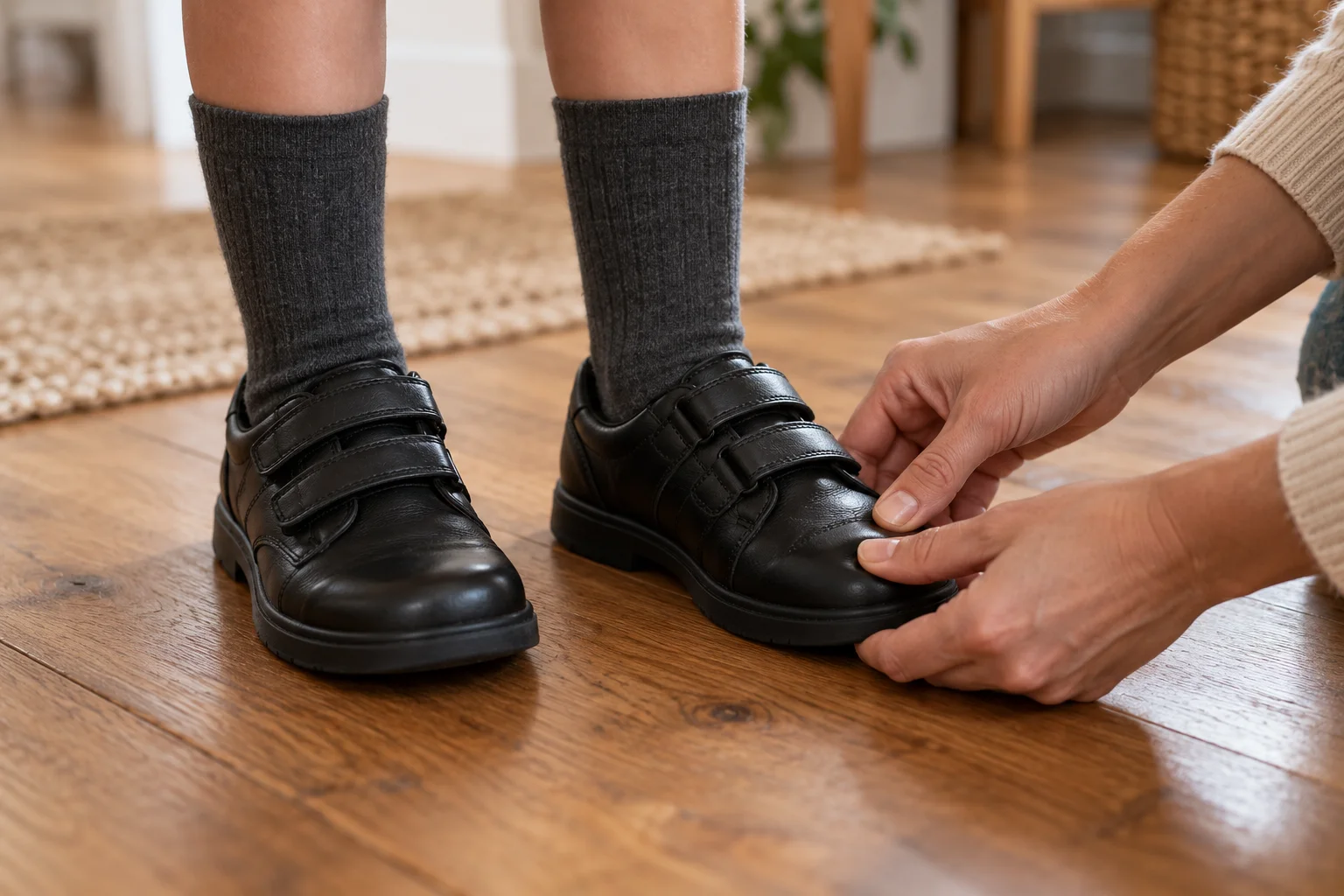
A good school shoe should have:
• About a thumb’s width of space between the longest toe and the end of the shoe
• A snug fit around the heel, so the foot doesn’t slip out as they walk
• Enough width for the toes to lie flat and wiggle
• Laces, straps or Velcro that hold the foot securely, rather than slip-ons
• A flexible sole that bends at the ball of the foot, not in the middle
Check the fit every couple of months, and have their feet measured if you’re unsure. Hand-me-down school shoes are worth avoiding where you can, as they’ve already moulded to someone else’s foot.
For more on this, see our guide to
choosing the right socks and footwear for healthy feet.
Verrucae from PE, Pools and Changing Rooms
Verrucae are caused by a virus that spreads easily in warm, damp places where people walk barefoot, which is why they’re so common in school children. Look for a small, hard spot on the sole of the foot, often with tiny black dots in the centre. Flip-flops in changing rooms and not sharing towels both help reduce the risk.
You can read more about the early signs in our post on
verrucae on the feet. If one is painful, spreading or just won’t clear, our
verrucae treatment can help.
Ingrown Toenails in Teenagers
Ingrown toenails are especially common in teenagers. Growth spurts, tight school shoes, sport and nails that are cut too short (or picked at) can all cause the edge of the nail to press into the skin.
Watch for redness, swelling or tenderness down the side of the big toe. Teach your child to cut their nails straight across, not too short, and to leave the corners alone. If a toe is already sore, don’t let them dig at it. Our
ingrown toenail care can relieve the pressure safely.
Blisters and Hard Skin from New Shoes
Stiff new shoes often rub at the heel and toes for the first week or two. Wearing them around the house for short spells before school starts helps, along with well-fitting socks and a plaster over any spots that are rubbing.
If hard skin keeps building up in the same place, or blisters keep coming back, it’s usually a sign the shoes don’t fit properly.
Sweaty Feet and Smelly Trainers
Teenagers’ feet can sweat a lot, especially in trainers worn all day. A few simple habits make a big difference:
• A fresh pair of socks every day, ideally a cotton or wool blend
• Alternating between two pairs of trainers so each has time to dry out
• Drying feet thoroughly after showers, including between the toes
Keeping feet dry also lowers the risk of athlete’s foot. You can read about the difference between
athlete’s foot and fungal nail infection on our blog.
Signs Your Child's Feet Need a Professional Look
It’s worth booking an appointment if you notice:
• A verruca that’s painful, spreading or not clearing up
• A red, swollen or tender toe that isn’t settling
• Nails that are thick, discoloured or growing unusually
• Hard skin or corns that keep coming back
• Your child limping, or avoiding sport because their feet hurt
If your child has ongoing heel, arch or joint pain after sport, speak to your GP or a physiotherapist, who can check for growth-related problems.
What Happens at a Children's Appointment
We see children as well as adults at Harbour Foot Clinic. A parent or guardian stays with them throughout, and we explain everything in a calm, friendly way so they know exactly what’s happening. Treatments are gentle, and we’ll give you simple advice to follow at home.
Book an Appointment
If something doesn’t look right, or your child is complaining of sore feet, we’re happy to take a look.
Book online or call us on 087 232 5143. Harbour Foot Clinic, Harbour St, Mullingar.