Bunions Explained: Causes, Symptoms and When to See a Foot Health Care Assistant
Bunions are one of the most common foot conditions affecting adults, yet they’re often misunderstood. While many people think a bunion is simply a lump on the side of the foot, it’s actually a gradual change in the alignment of the big toe joint that can affect comfort, mobility and overall foot health. Left unmanaged, bunions can become increasingly painful and make everyday activities such as walking, exercising and even wearing comfortable shoes more difficult.
The good news is that bunions don’t always require surgery. Early recognition, appropriate footwear and professional foot care can help reduce discomfort, slow the progression of the condition and keep you active for longer. Understanding the causes and symptoms is the first step towards protecting your foot health.
At Harbour Foot Clinic in Mullingar, we regularly help patients manage bunion-related discomfort through professional foot care, practical advice and ongoing support. In this guide, we’ll explain exactly what bunions are, why they develop and when it’s time to seek professional help. While a bunion itself needs medical advice,
routine foot care can help with the hard skin and nail problems that often come with one.
What Is a Bunion?
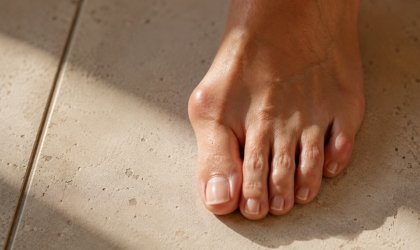
A bunion, medically known as Hallux Valgus, is a deformity that develops at the joint where the big toe meets the foot. Instead of pointing straight ahead, the big toe slowly begins to move towards the second toe. As this happens, the joint becomes more prominent, creating the noticeable bump on the inside of the foot.
Many people assume this bump is an extra piece of bone growing from the foot, but that’s not the case. The bump is actually the joint itself becoming misaligned over time. As the position of the toe changes, the surrounding ligaments, tendons and soft tissues are also affected, which can lead to inflammation, pressure and discomfort.
Bunions typically develop gradually over several years. Some remain relatively painless, while others become increasingly uncomfortable, particularly when walking or wearing tight-fitting shoes.
What Causes Bunions?
There isn’t one single cause of bunions. Instead, they usually develop because of a combination of genetics, foot structure and everyday lifestyle factors.
Family history is one of the strongest risk factors. If your parents or grandparents had bunions, you’re more likely to develop them too. In many cases, what is inherited is the shape and mechanics of the foot rather than the bunion itself.
Footwear can also contribute to the progression of a bunion. Shoes that are narrow, pointed or high-heeled place increased pressure on the front of the foot, encouraging the toes into an unnatural position. While shoes don’t directly cause bunions, they can certainly make an existing bunion worse.
Ageing, arthritis and certain foot types, such as flat feet or low arches, may also increase the likelihood of developing bunions over time.
Early Signs of a Bunion
Bunions rarely appear overnight. In most cases, the condition develops slowly, with subtle symptoms that are easy to ignore in the beginning.
You may first notice a slight bump beside your big toe or feel that certain shoes have become tighter than they used to be. Mild discomfort after long walks or standing for extended periods is another common early sign.
As the condition progresses, the big toe may begin leaning towards the second toe, making the change in foot shape more noticeable. Identifying these early warning signs allows you to make changes that may help reduce pressure and improve comfort before symptoms worsen.
Common Symptoms of Bunions
Not every bunion causes pain, but symptoms often become more noticeable as the condition progresses.
The most obvious sign is the bony bump that develops on the side of the foot. The surrounding joint may become swollen, tender or red, particularly after spending long periods on your feet.
Many people also experience discomfort when wearing shoes, especially styles with narrow toe boxes. As the big toe moves closer to the second toe, pressure between the toes can lead to corns, calluses and irritation.
Some people notice stiffness within the big toe joint, making walking less comfortable, while others find they gradually avoid activities they once enjoyed because of persistent foot pain.
How Bunions Can Affect Everyday Life
Although bunions often develop gradually, their impact on everyday life can become significant if left unmanaged.
Walking longer distances may become uncomfortable, leading people to reduce their daily activity without even realising it. Favourite shoes may no longer fit properly, and standing for long periods at work or during social occasions can become increasingly painful.
Over time, changes in the way you walk to avoid discomfort may place additional strain on other parts of the foot, ankle or even the knees. Maintaining healthy feet isn’t just about reducing pain—it’s about protecting your overall mobility and quality of life.
Seeking advice early often allows simple changes to make a meaningful difference before symptoms begin affecting your daily routine.
Can Bunions Be Prevented?
Because genetics play such an important role, it’s not always possible to prevent bunions completely. However, there are several ways to reduce unnecessary pressure on your feet and help slow the progression of the condition.
Choosing well-fitting shoes with a wide toe box allows your toes to move naturally and reduces pressure on the big toe joint. Avoiding prolonged use of narrow or high-heeled shoes can also help minimise irritation.
Maintaining a healthy weight reduces the load placed on your feet during walking, while checking your feet regularly allows you to notice changes before they become more problematic.
Perhaps most importantly, seeking professional advice when symptoms first appear can help you manage the condition more effectively over the long term.
How a Foot Health Care Assistant Can Help
Although bunions cannot usually be reversed without surgery, many people successfully manage their symptoms through conservative foot care.
At Harbour Foot Clinic, your Foot Health Care Assistant will assess your feet, identify areas of excessive pressure and provide practical advice tailored to your individual needs. This may include managing hard skin and corns, monitoring changes in the bunion and recommending simple measures to improve comfort.
Routine foot care appointments can also help reduce discomfort caused by pressure points and keep your skin and nails healthy. Professional guidance ensures you’re making informed decisions about caring for your feet and recognising when further assessment may be required.
Choosing the Right Footwear for Bunions
Footwear is one of the most important factors in managing bunion discomfort.
Shoes should provide adequate room around the toes rather than squeezing them together. A wide toe box allows the toes to move naturally, reducing friction against the bunion and helping improve comfort throughout the day.
Soft upper materials can also reduce rubbing, while supportive soles help distribute pressure more evenly across the foot. Contrary to popular belief, shoes shouldn’t need to be “broken in.” If a new pair feels uncomfortable from the beginning, they’re unlikely to become significantly more comfortable with wear.
Choosing supportive, well-fitting footwear can often make a noticeable difference without requiring major lifestyle changes.
When Should You Seek Professional Advice?
Many people delay seeking help because they believe bunions are simply a normal part of ageing. However, early assessment often leads to better long-term outcomes.
If your bunion is becoming painful, affecting the shoes you can wear or changing the way you walk, it’s worth arranging a professional assessment. Even if the discomfort is relatively mild, identifying pressure points and receiving practical advice early may help reduce future problems.
Professional foot care can also help manage associated issues such as corns, calluses and nail conditions that commonly develop alongside bunions.
Rather than waiting until pain becomes severe, seeking advice sooner gives you more options for managing your foot health.
Looking After Your Feet for the Future
Healthy feet are essential for maintaining an active lifestyle, and small changes made today can make a significant difference in the years ahead.
Checking your feet regularly, wearing appropriate footwear and seeking professional advice when changes occur all contribute to long-term foot health. Even if your bunion isn’t currently painful, monitoring it over time allows any progression to be identified early.
Many patients find that simple adjustments to their footwear and regular routine foot care dramatically improve their comfort. Looking after your feet isn’t simply about managing one condition—it’s about maintaining your independence, mobility and confidence every day.