Do Ingrown Toenail Softeners and Pharmacy Kits Actually Work?
Short answer: a toenail softener can make the nail and the skin around it a little softer for a few days, which can take the edge off the pressure. It won’t change the shape of the nail or remove the edge that’s digging in, so for an ingrown toenail the relief is usually short-lived.
It’s a common question at this time of year. As sandals get swapped for boots and closed shoes, toes get squeezed together again, and any nail that’s slightly curved or cut a little short can start pressing into the skin. Below we compare the options, from softeners and pharmacy kits to professional care, so you can see what each one can and can’t do. If a nail is already painful or swollen, our
ingrown toenail care deals with the nail edge safely.
Toenail Softeners vs Other Options: How They Compare
Pharmacy shelves are full of softeners, drops and kits, and they don’t all do the same job. Here’s how the main options compare.
| Option | What it does | What it can’t do | Best for |
|---|
| Toenail softening cream, gel or drops | Makes the nail and the skin around it softer for a short time | Change the shape of the nail or remove an edge that’s digging in | Mild soreness that has only just started, or softening a thick nail before trimming |
| Pharmacy ingrown toenail kit | Combines a softener with antiseptic and small tools such as nail lifters or files | Safely remove a spike of nail. The tools make it easy to cut too deep into the corner | Very mild cases, used carefully and exactly as directed |
| Corrective nail strips | Sit on top of the nail and gently lift the edges as it grows | Give quick relief, and they aren’t suitable for a toe that’s red, swollen or infected | Mildly curved nails with no redness or swelling |
| Warm soaks and roomy shoes | Takes pressure off the toe and keeps the area clean while it settles | Free a nail that’s already pressing deep into the skin | Early, mild discomfort |
| Professional ingrown toenail care | Frees and trims the edge that’s pressing in, using sterile instruments, with advice on cutting and footwear | Stop it returning if tight shoes or cutting habits stay the same | Pain that keeps coming back, redness, swelling, or anyone with diabetes or poor circulation |
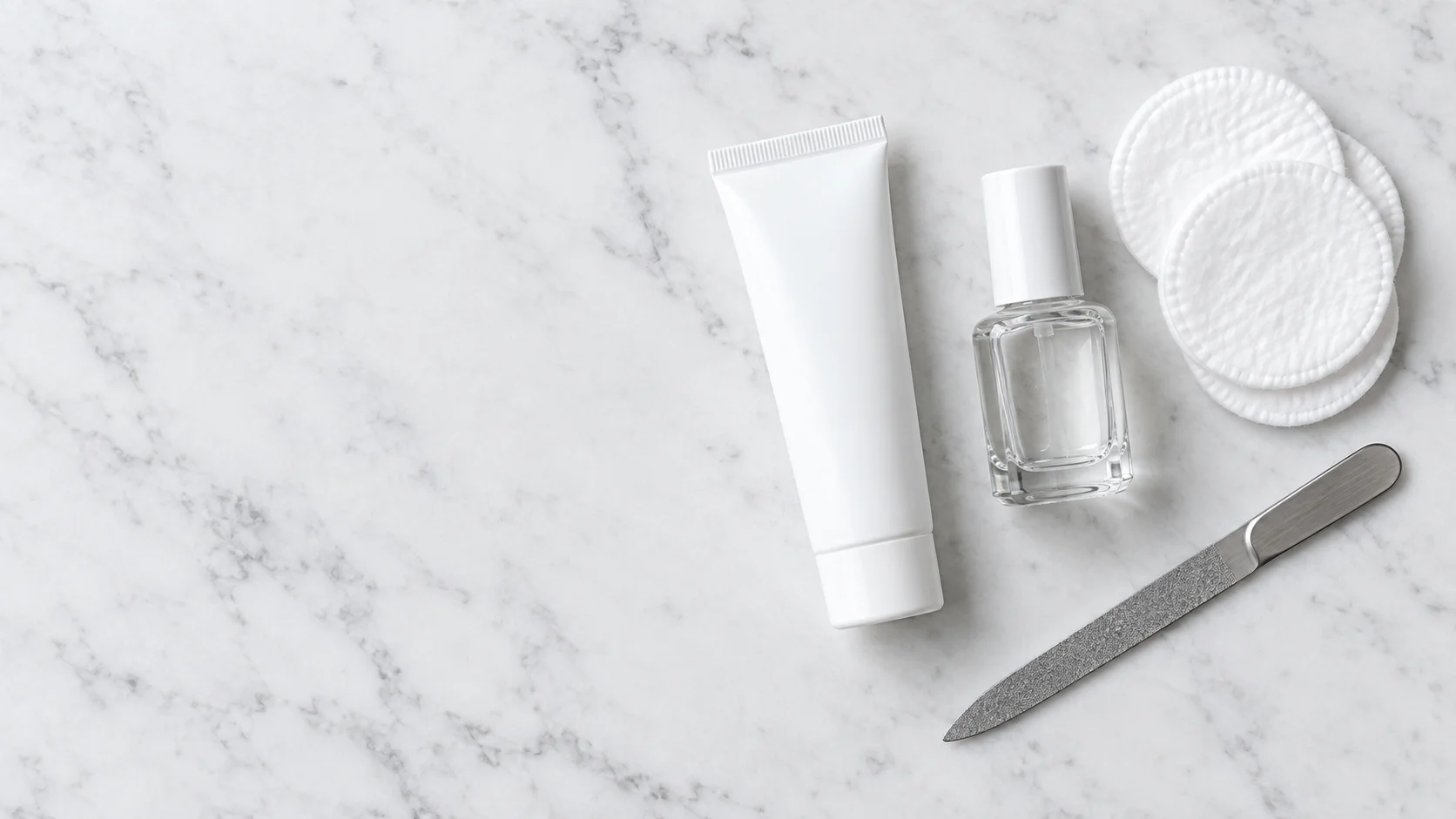
Most pharmacy kits contain a softening gel or liquid, antiseptic wipes, small tools such as nail lifters or files, and sometimes corrective strips. The idea is to soften the nail and surrounding skin so the edge presses less, and to keep the area clean while it settles.
Do Softeners Fix an Ingrown Nail, or Just Ease It?
A softener can make the nail and skin a little more pliable, which can take the edge off the pressure for a few days. What it can’t do is change the shape of the nail, remove the piece that’s digging in, or deal with whatever caused the problem in the first place, whether that’s the way the nail was cut, tight footwear or a naturally curved nail.
That’s why so many people find the pain eases, then comes straight back a week or two later.
When a Pharmacy Product Might Be Enough
If the discomfort is mild, has only just started, and the skin isn’t red or swollen, simple home care may be enough to let it settle:
• Soak the foot in warm water for 10 to 15 minutes a day
• Wear roomy shoes with plenty of space at the toes, or open-toe footwear at home
• Keep the area clean and dry
• Let the nail grow out rather than cutting it shorter
If you use a softener alongside this, follow the instructions on the pack and stop if the skin becomes irritated.
Warning Signs a Kit Won't Be Enough
Book in to have it looked at if you notice:
• Redness or swelling that’s spreading
• The toe feeling hot, throbbing or very tender
• Pus or discharge
• Bleeding, or skin starting to grow over the side of the nail
• The same toe flaring up again and again
If there are signs of infection, you may also need to see your GP, as antibiotics are sometimes needed.
If you have diabetes, poor circulation or reduced feeling in your feet, skip the home treatments altogether and get it checked professionally straight away. Small problems can become serious much faster.
Why You Should Never Cut Into the Corner Yourself
It’s tempting to dig out the piece that hurts, especially with the tools that come in some kits. But cutting down into the corner usually leaves a sharp spike of nail deeper in the skin. As the nail grows forward, that spike pierces the skin again, often worse than before. It also opens an easy route for infection.
We explain more in our post on
why DIY foot treatments can make problems worse.
What Professional Ingrown Toenail Care Involves
At Harbour Foot Clinic,
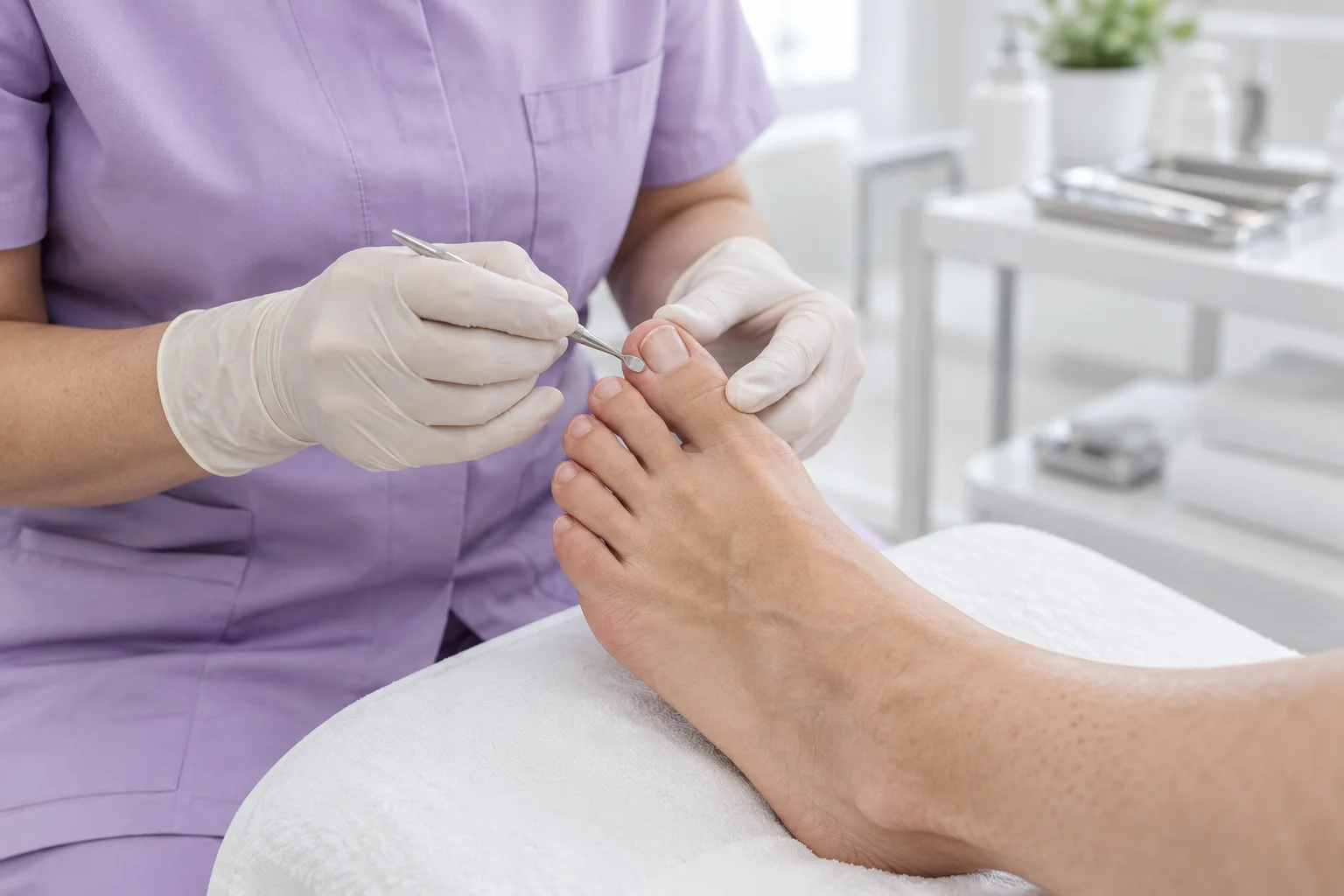
ingrown toenail care starts with a proper look at the toe and nail. Using sterile instruments, the edge that’s pressing into the skin is carefully freed and trimmed to relieve the pressure, and the area is cleaned.
You’ll leave with clear aftercare advice and guidance on how to cut your nails in future. If anything needs further medical attention, we’ll let you know.
How to Stop It Coming Back
• Cut nails straight across, not too short, and leave the corners alone
• Choose autumn and winter shoes with enough room for your toes to lie flat
• Wear socks that fit well rather than tight ones
• Keep up regular foot care if you’ve had ingrown nails before
For more on the causes and prevention, read our guide to
what causes ingrown toenails and how to prevent them.
Sore Toe? Get It Sorted Properly
If a pharmacy kit hasn’t done the trick, or your toe is red, swollen or getting worse, don’t wait it out.
Book an appointment online or call us on 087 232 5143. Harbour Foot Clinic, Harbour St, Mullingar.