How to Get Rid of a Verruca: Your Options Compared
Verrucae are stubborn. They can be sore to walk on, they spread easily, and the ones that don’t go away by themselves can hang around for months. The good news is you have options.
Here’s how the main ways to get rid of a verruca compare, from waiting it out to home treatments and professional
verruca treatment in Mullingar, so you can choose what suits you.
First, Make Sure It's a Verruca
Verrucae are easily confused with corns and hard skin, and they need very different care. A verruca usually has tiny black dots, breaks up the normal lines on your skin and hurts more when squeezed from the sides than when pressed straight on.
Our guide on
how to spot a verruca early explains the signs in more detail.
Option 1: Wait for It to Go by Itself
Many verrucae eventually clear without treatment as your immune system catches up with the virus, but it can take months or even a couple of years. In the meantime, a verruca can grow, spread to other parts of your foot and pass to other people in your home.
Best for: small verrucae that don’t hurt, if you’re happy to wait and take care not to spread it.
Option 2: Acid Gels and Plasters
Home treatments containing salicylic acid soften the verruca and remove it gradually, layer by layer. They need daily use for several weeks, and work best when the dead skin is gently filed away between applications.
Best for: small, newer verrucae. They aren’t suitable if you have diabetes, poor circulation or reduced feeling in your feet, and they can make healthy skin sore if they spread beyond the verruca.
Option 3: Home Freezing Kits
Home freezing kits aim to destroy the verruca with cold. They don’t get as cold as the freezing used in clinical settings, so they often need several attempts, and they can blister the surrounding skin if they’re not used carefully.
Best for: small verrucae in adults who are comfortable following the instructions exactly.
Option 4: Tape and Home Remedies
Covering a verruca with tape, or using remedies like tea tree oil or vinegar, is popular online. There’s little evidence that they work, and acidic remedies can burn the healthy skin around the verruca.
Best for: not much, in our experience. If you try them, stop straight away if the skin becomes red or sore.
Option 5: Professional Verruca Treatment
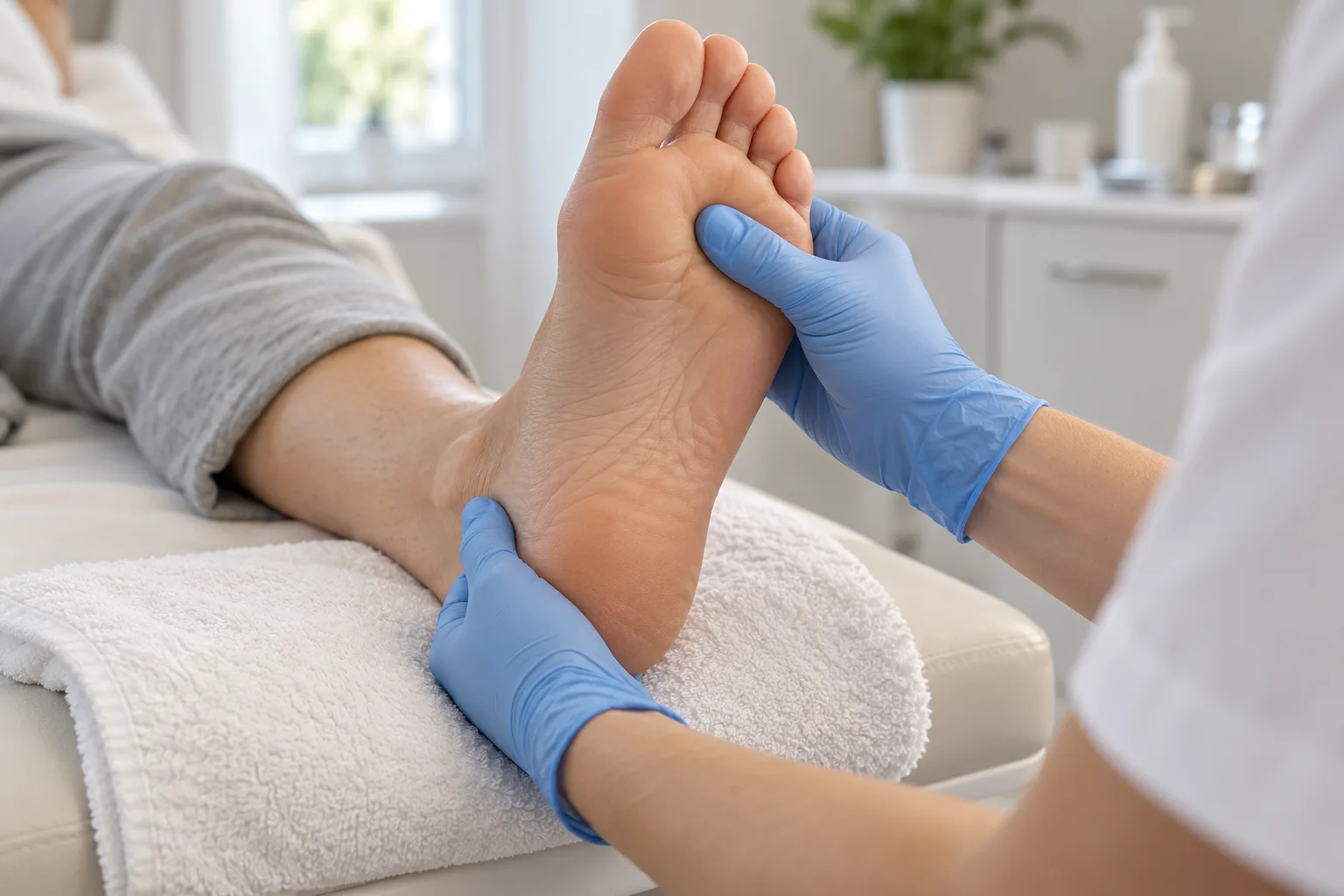
Professional treatment starts with checking that it really is a verruca. At Harbour Foot Clinic, we then safely reduce the hard skin over the verruca, treat it in a way that suits its size and position, and relieve pressure if it’s sore to walk on. You’ll also get clear aftercare advice to help stop it spreading or coming back.
Best for: verrucae that are painful, spreading, in more than one place, or haven’t cleared with home treatment.
Your Options at a Glance
• Waiting: no effort, but it can take months or years and may spread
• Acid gels and plasters: easy to use, but slow and not suitable for everyone
• Home freezing kits: quick to apply, but often need repeating
• Tape and home remedies: little evidence they work
• Professional treatment: properly assessed and treated, with follow-up appointments if needed
Who Shouldn't Use Home Treatments
Don’t use acid treatments or freezing kits at home if you have diabetes, poor circulation, reduced feeling in your feet or fragile skin. Children’s skin is also more sensitive to these products.
In these cases it’s safer to have the verruca looked at. If you’re not sure whether a home treatment is right for you, ask us before you start.
How Long It Takes to Get Rid of a Verruca
Whatever you choose, verrucae take time. Home treatments usually need several weeks of daily use, and professional treatment may need a few appointments spaced a couple of weeks apart.
To check whether things are improving, see our guide on
how to tell if a verruca is dying.
Stopping Verrucae Spreading or Coming Back
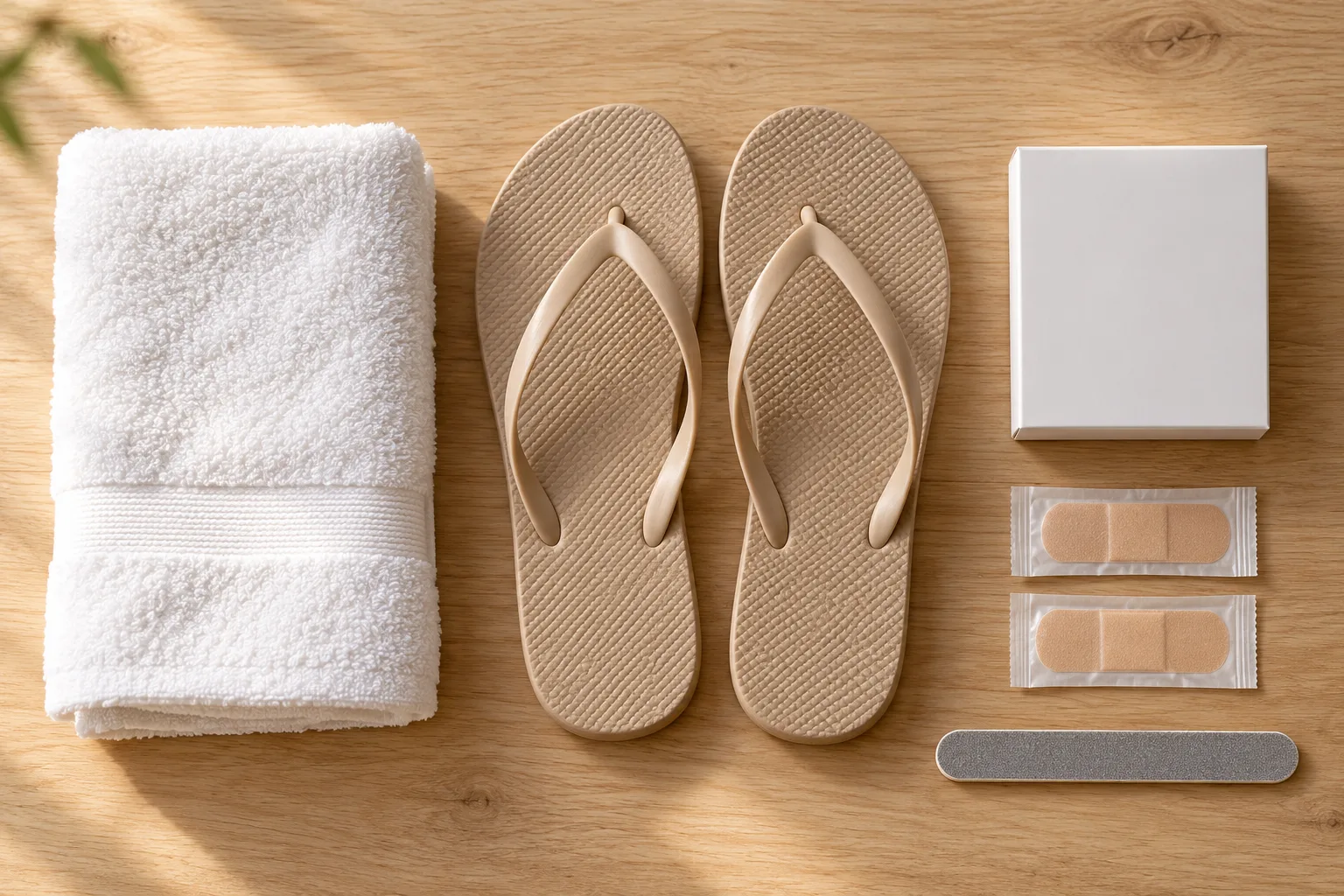
• Wear flip-flops or pool shoes in changing rooms and around pools
• Cover the verruca with a waterproof plaster when swimming
• Don’t share towels, socks or shoes
• Don’t pick, cut or scratch it
• Keep your feet clean and dry
If a verruca is sore or keeps coming back, book a verruca appointment at our clinic on Harbour Street in Mullingar. Appointments take around 30 minutes.