How to Tell if Fungal Nail Treatment Is Working
Fungal nail treatment takes patience. Because toenails grow slowly, the infected part of the nail can look much the same for weeks, even when treatment is working well underneath.
This guide explains what improvement looks like, roughly when to expect it and the signs that something needs to change. If you’re having
fungal nail treatment in Mullingar with us, we’ll also check your progress at every follow-up.
Why Progress Is Hard to See at First
Treatment can’t turn the damaged part of a nail back to normal. Instead, it stops the infection so that new, healthy nail can grow out and gradually replace the old nail. Because toenails grow slowly, the visible change happens from the base of the nail upwards, a little at a time.
If you’re not yet sure it’s a fungal infection, our guide to
fungal nail infection causes and signs explains what to look for.
Sign 1: Clear Nail Growing From the Base
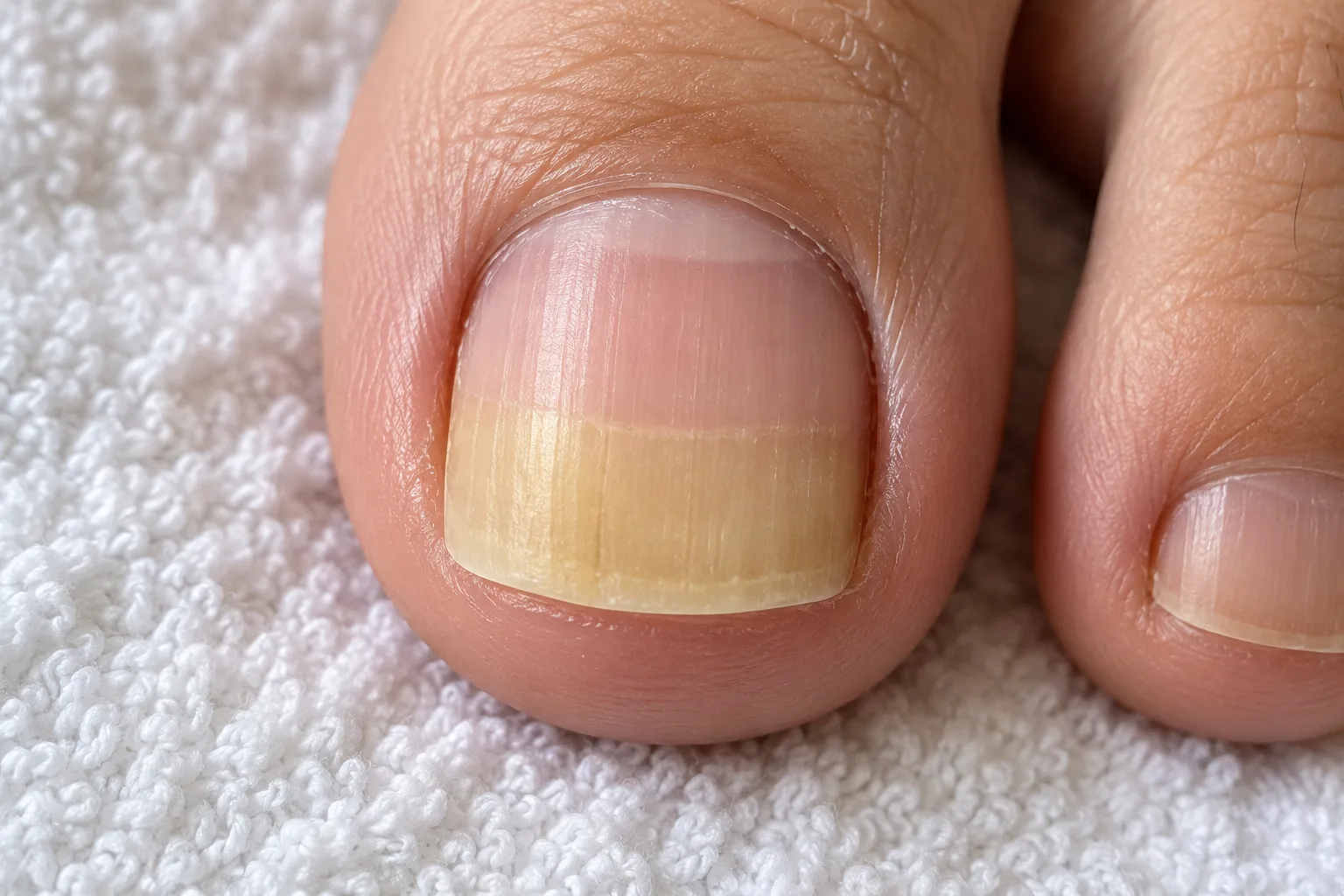
The first and most reliable sign is a band of clear, healthy-looking nail near the cuticle. Look closely in good light: at first it may only be a millimetre or two.
This new growth matters more than how the rest of the nail looks, because it shows the infection is no longer reaching the part of the nail that’s growing.
Sign 2: A Line Between Old and New Nail
As the healthy nail grows, you’ll often see a clear line between the new nail and the older discoloured part. As long as that line keeps moving towards the tip of your toe, treatment is doing its job.
Sign 3: A Thinner, Smoother Nail
Infected nails are often thick, crumbly and rough. The new nail growing in should be thinner and smoother, and the nail should become easier to trim and more comfortable in your shoes.
Sign 4: The Discolouration Stops Spreading
Yellow, white or brown patches shouldn’t be creeping back towards the cuticle or onto other nails. If the affected area is staying the same size, or getting smaller as the nail grows out, the infection is under control.
What to Expect Month by Month
Every nail is different, but as a rough guide:
• First few weeks: little visible change, though the nail usually feels more comfortable once it has been thinned
• Two to three months: most people can see clear new nail at the base
• Around six months: a good section of healthy nail on the big toe
• Twelve to eighteen months: the time a big toenail can take to replace itself completely
Smaller toenails grow out faster than the big toe.
Signs Treatment Isn't Working
Book a check if:
• The discolouration is spreading towards the cuticle
• The nail is getting thicker or more crumbly
• Other toenails are starting to change
• There’s no clear new growth after about three months
Don’t stop treatment on your own. We’ll look at what’s happening and adjust the approach if needed.
Looking Better Isn't the Same as Working
Some products improve how the surface of the nail looks while the infection is still active underneath. That’s why healthy nail growing from the base is a more reliable sign than the nail simply looking better on top.
A professional check lets us see the whole nail, including how much healthy growth is coming through.
How to Help Your Treatment Work
• Use your treatment exactly as advised, every day
• Keep your follow-up appointments so thick nail can be reduced
• Dry your feet well after washing, especially between the toes
• Change your socks every day and rotate your shoes
• Wear flip-flops in communal showers and around pools
• Deal with athlete’s foot quickly so it can’t spread back to the nail
Not sure about athlete’s foot? Read
athlete’s foot vs fungal nail infection.
Checking Your Progress at Harbour Foot Clinic
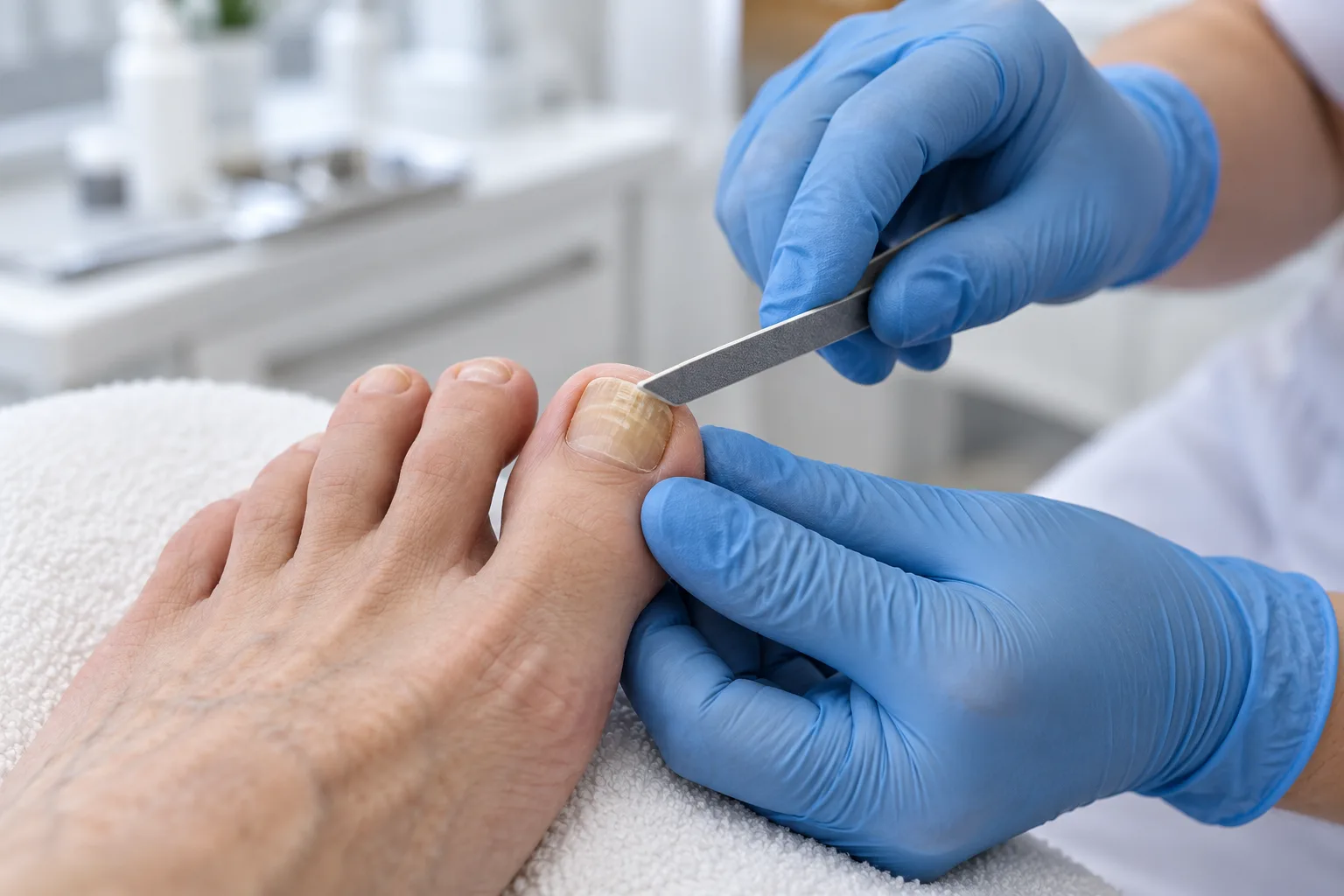
Your first fungal nail appointment includes an assessment and a nail care kit to use at home, and follow-up appointments take around 30 minutes. At each visit we reduce any thick nail, check the new growth and tell you honestly how it’s going.
If you’re treating a fungal nail yourself and aren’t sure it’s working, we can take a look at our clinic on Harbour Street in Mullingar.