Thick Toenails: What Causes Them and How They're Treated
Thick toenails usually build up slowly. The nail gets harder to cut, can turn yellow or brown, and may start pressing against your shoes. A fungal nail infection is one common cause, but it’s not the only one: an old knock to the nail, years of pressure from tight footwear and simple age-related changes can all make toenails thicken.
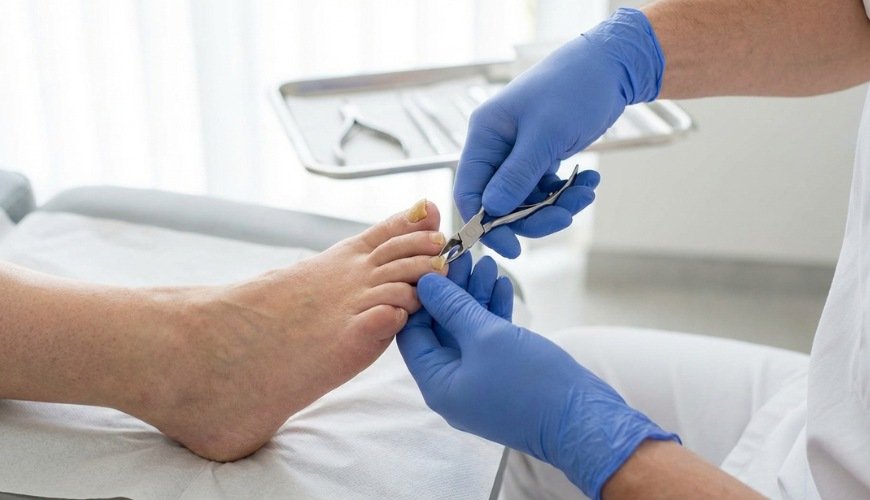
Whatever the cause, thick or hard toenails can be safely reduced and kept comfortable. Below we explain the most common causes, how they differ, and what professional treatment involves. Thick, hard-to-cut nails are one of the most common reasons people book a
medical pedicure in Mullingar with us.
Why Thick Toenails Are Common
Toenails are exposed to repeated pressure from walking, standing, and footwear. Over time, this pressure can change the structure of the nail.
As nails thicken, they may become more difficult to trim and may begin to press against shoes, leading to discomfort.
Fungal Infection as a Common Cause
One of the most frequent causes of thick toenails is fungal infection. The infection can cause the nail to become yellow, brittle, and increasingly thick.
Fungal nail infections often develop slowly and may not cause pain in the early stages.
Repeated Nail Trauma
Repeated minor injuries to the nail, such as from tight footwear or sporting activities, can lead to thickening over time.
Even small, repeated pressure points can gradually change how the nail grows.
Age-Related Nail Changes
As we age, nails may naturally grow more slowly and become thicker. This is a common change and may not always indicate infection.
However, thickened nails can still become uncomfortable if not maintained properly.
Pressure From Footwear
Shoes that are too tight or narrow can compress the toes and affect nail growth. Long-term pressure may contribute to thickening and distortion.
Wearing properly fitted footwear helps reduce unnecessary strain on the nails.
How Thick Toenails Affect Comfort
Thick toenails can press against shoes, cause pressure on the surrounding skin, and affect walking comfort.
In some cases, thickened nails may also increase the risk of ingrown toenails or fungal infection spreading.
Why Thick Toenails Should Not Be Ignored
Ignoring thick toenails can allow them to become increasingly difficult to manage. Attempting to cut very thick nails at home may lead to injury.
Professional care ensures the nails are reduced safely and hygienically.
Can Thick Toenails Be Managed at Home?
Mild thickening may be manageable with careful trimming and appropriate footwear. However, once nails become significantly thick or discoloured, professional care is recommended.
Home treatments may not address underlying fungal infection or structural changes.
How Professional Treatment Helps
Professional foot care focuses on safely reducing nail thickness and identifying the underlying cause.
If fungal infection is present, appropriate management can be discussed. Regular professional care helps maintain comfort and prevent recurrence.
Thick Toenail Treatment in Westmeath and the Midlands
At Harbour Foot Clinic, thick toenails are managed in a safe, clinical environment, focusing on comfort, hygiene, and long-term nail health.
If thickened nails are causing discomfort or becoming difficult to manage, professional assessment can help guide appropriate care.
Find out more about our
fungal nail treatment in Mullingar.